
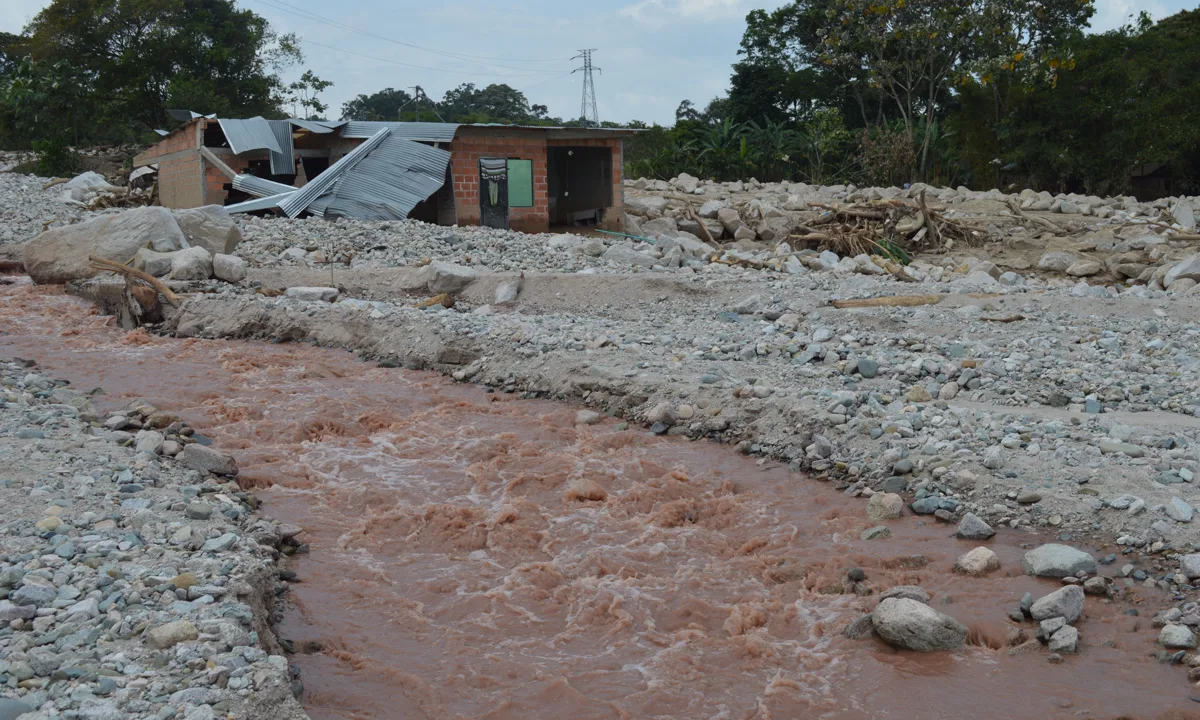
A damaged home does not automatically produce a lower property-tax bill. Relief may require an application, a declared disaster, a minimum loss, a period of uninhabitability, or a filing before a local deadline. The program might reduce value temporarily, refund part of tax already paid, postpone an installment, or preserve an older taxable value when the property is rebuilt.
Those are separate remedies. Apply for each one that may fit, and continue to follow the existing bill unless the assessor or collector confirms in writing that payment has been changed or deferred.
The first 72 hours: preserve tax evidence too
Life safety, shelter, insurance, and emergency assistance come first. Once it is safe, create a property-tax evidence folder alongside the insurance file:
- date and approximate time of damage;
- wide and close photographs before debris removal or repair;
- address, parcel number, and every affected structure;
- fire, police, emergency-management, condemnation, or inspection reports;
- insurance claim number, adjuster reports, and estimates;
- dates the residence became uninhabitable and habitable again;
- temporary housing, utility shutoff, and re-entry records;
- repair permits, contracts, invoices, demolition records, and completion dates.
The assessor may need to distinguish damage to land, improvements, business equipment, agricultural property, or a manufactured home. Photograph each category separately.
Four different forms of relief
| Relief type | What it may change | Evidence that often matters |
|---|---|---|
| Damage reassessment | Temporarily lowers assessed value while damage exists | Pre/post condition, damage date, repair status, loss estimate |
| Tax refund or abatement | Returns or cancels a prorated portion of tax | Payment, uninhabitability period, qualifying event |
| Installment or deferral | Changes when qualifying tax must be paid | Disaster designation, damage, timely election, property class |
| Rebuild/replacement treatment | Limits reassessment of qualifying reconstruction or transfers a protected value | Prior value, scope, size/use, permits, replacement deadline |
State examples show why you must read the local rule
California’s Board of Equalization disaster-relief guidance describes a temporary reassessment for qualifying damage from fire, earthquake, flood, or another calamity. It says the owner must file within the county ordinance’s period or 12 months after damage, whichever is later, and identifies a $10,000 minimum loss in current market value. The state also says the regular bill should still be paid while the adjustment is processed.
Florida uses a different structure. Its catastrophic-event refund guidance concerns residential improvements rendered uninhabitable for at least 30 days and directs owners to file Form DR-465 with the county property appraiser by March 1 of the following year, subject to its late-filing process.
Texas’s disaster property-tax guidance describes a temporary exemption for qualified property damaged in a governor-declared disaster. Its calculation uses damage-level percentages and the days remaining in the tax year. These examples are intentionally different: never import one state’s threshold, form, or deadline into another.
Call two offices, not one
The assessor, property appraiser, or appraisal district normally handles damage valuation and exemption eligibility. The collector or treasurer handles bills, due dates, installment acceptance, refunds, and account posting. Ask each office:
Assessor/appraiser
- Which damage-relief programs apply?
- Is a disaster declaration required?
- What loss or uninhabitability threshold applies?
- Which form and filing deadline control?
- How will partial repair affect value?
Collector/treasurer
- Must the current bill still be paid?
- Are disaster installments or deferrals available?
- How will a refund or corrected bill appear?
- Will escrow receive the adjustment?
- What happens if a due date is missed?
How a temporary value reduction may work
A program may compare the property’s value immediately before and after damage, then reduce the assessed components by the loss percentage for the applicable portion of the tax year. It may restore value as repairs are completed. That does not necessarily mean the full annual tax is recomputed as though the damage existed on January 1.
Ask the assessor to show:
- the pre-damage value by land and improvement;
- the post-damage value and effective date;
- the percentage or dollar reduction;
- the proration period;
- the value restored after each repair stage;
- the appeal route if you disagree.
Repairs can create a second tax question
Restoring a structure to its prior condition may receive different treatment from expanding or upgrading it. Added square footage, a new accessory building, conversion to a different use, or features beyond the damaged property can be treated as new construction even when other work is restorative.
Before changing the design, ask how the jurisdiction defines comparable reconstruction and what documentation preserves prior assessed-value treatment. Keep pre-loss plans, measurements, photographs, permit drawings, and itemized contractor scopes.
If the house is a total loss
Ask about both the damaged parcel and any replacement property. Some states offer value-transfer rules only after a declared event and only when purchase, construction, sale, occupancy, value, location, and filing requirements are met. Others do not. Insurance replacement-cost rules are not property-tax rules.
Also verify whether removing the structure changes special assessments, utilities, homestead status, or land classification. A value-based building component may disappear while parcel-based charges continue.
Mortgage escrow: avoid the refund loop
If a servicer paid the original bill, determine whether the collector sends a refund to the record owner, the payer, or the escrow account. Send the servicer the reassessment approval and corrected tax document. Then check the next escrow analysis: a tax reduction can lower the projected requirement, but an insurance disbursement or escrow advance may affect the account separately.
Do not spend a refund until you understand whether the servicer expects it returned to escrow and whether another corrected or supplemental bill will follow.
A deadline tracker that survives displacement
| Item | Record | Proof to keep |
|---|---|---|
| Damage-relief claim | Form, deadline, office, parcel | Timestamp, certified receipt, or confirmation number |
| Tax payment/deferral | Amount, due date, conditions | Collector’s written instructions and receipt |
| Assessment notice | New value, effective period | Notice and calculation sheet |
| Appeal | Filing window and forum | Filed petition and evidence index |
| Repair/rebuild | Permit and completion dates | Plans, invoices, inspection approvals |
Update the tax-roll mailing address if mail cannot reach the damaged property. Do the same with the collector, mortgage servicer, and any appeal body; changing it with one does not guarantee the others receive it.
The best disaster claim is chronological and specific: what existed, what happened, when it happened, what could no longer be used, what it was worth immediately afterward, and when each part was restored. Build that record early, even if the formal application arrives later.
Locate the assessor and collector before a relief deadline is lost.
Find the official county offices